


How to Choose the Right Hydraulic Axial Flow Pump for Flood Control?
Release time: 2025-12-26
Table of Contents
When facing seasonal monsoons or unexpected urban waterlogging, choosing the right emergency flood drainage system is critical. Among various options, the hydraulic axial flow pump stands out due to its high efficiency, compact design, and exceptional adaptability to harsh environments.
However, not all pumps are created equal. To ensure your project has the necessary high-flow water discharge capacity, here is a comprehensive guide on selecting the ideal pump.
Evaluate the Flow Rate and Head Requirements
The primary specifications for any flood control pump station are flow rate (capacity) and total dynamic head.
Flow Rate: For large-scale flood relief, you need a high-volume axial flow pump capable of moving thousands of cubic meters per hour.
Head: Axial flow pumps are designed for low-head, high-flow applications. Ensure the vertical lift height of the pump matches your site’s topography to prevent motor strain and energy waste.
Prioritize Portability and Power Source
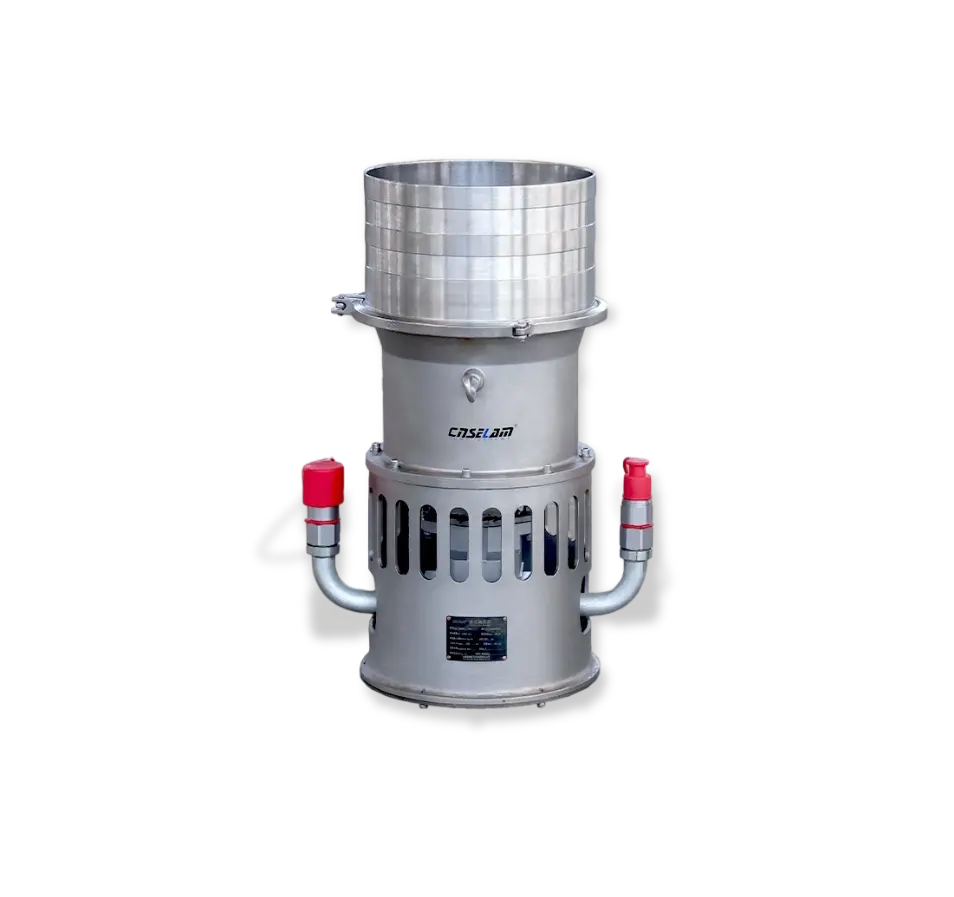
In emergency scenarios, power grids are often compromised. This is where a submersible hydraulic axial flow pump excels over traditional electric pumps.
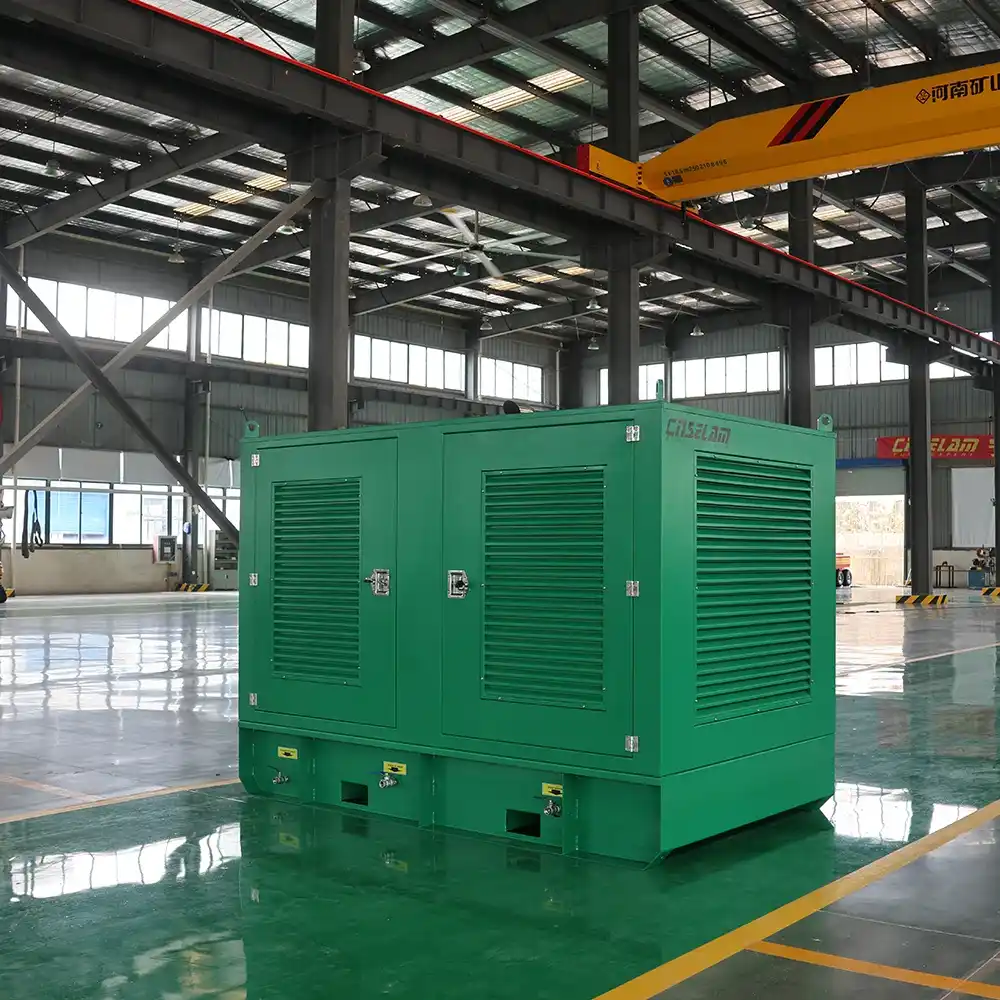
Hydraulic Drive Advantage: These pumps can be powered by mobile hydraulic power packs or attached to the hydraulic system of an excavator or skid-steer loader.
Mobility: Look for a portable hydraulic drainage pump that can be quickly deployed in remote areas where infrastructure is damaged.
Consider Material Durability and Corrosion Resistance
Floodwater is rarely clean; it often contains silt, debris, and sometimes corrosive elements.
Wear-Resistant Impellers: Ensure the pump features a stainless steel or wear-resistant alloy impeller to handle suspended solids without clogging.
Sealing Technology: A high-quality mechanical seal system is vital for a submersible drainage pump to prevent hydraulic oil leaks and ensure long-term underwater operation.
Installation Flexibility: Vertical vs. Horizontal
Depending on your site—whether it’s a riverbank, a narrow manhole, or a temporary cofferdam—the installation method matters.
Vertical Hydraulic Axial Flow Pump: Ideal for fixed stations with limited footprint.
Horizontal or Inclined Setup: Better for temporary flood suction from shallow water sources.
Efficiency and Maintenance Costs
A low initial price can be deceptive if the operational efficiency is poor. Choose a pump with an optimized axial flow hydraulic design to reduce fuel consumption of the power source. Additionally, check if the manufacturer provides easy access to hydraulic pump spare parts and has a straightforward maintenance protocol to minimize downtime during critical flood seasons.
Conclusion
Selecting the right hydraulic axial flow pump for flood control requires a balance between technical performance and site-specific needs. By focusing on hydraulic drive flexibility, material durability, and the correct flow-to-head ratio, you can ensure a reliable defense against rising waters.
.png)
.png)
.png)