


Hydraulic Slurry Pump: The Ultimate Guide to Industrial Applications and Selection
Release time: 2026-01-28
Table of Contents
In heavy-duty industries, handling media with high solid concentrations is a constant challenge. When traditional electric pumps fail due to clogging, overheating, or safety risks in submerged environments, the hydraulic slurry pump stands out as the most reliable alternative.
But what exactly makes it indispensable? Let’s explore the core applications and how to select the right equipment for your project.
Municipal Emergency & Flood Control
Urban flooding often carries heavy debris, silt, and trash. Electric pumps can easily burn out if the impeller gets jammed.
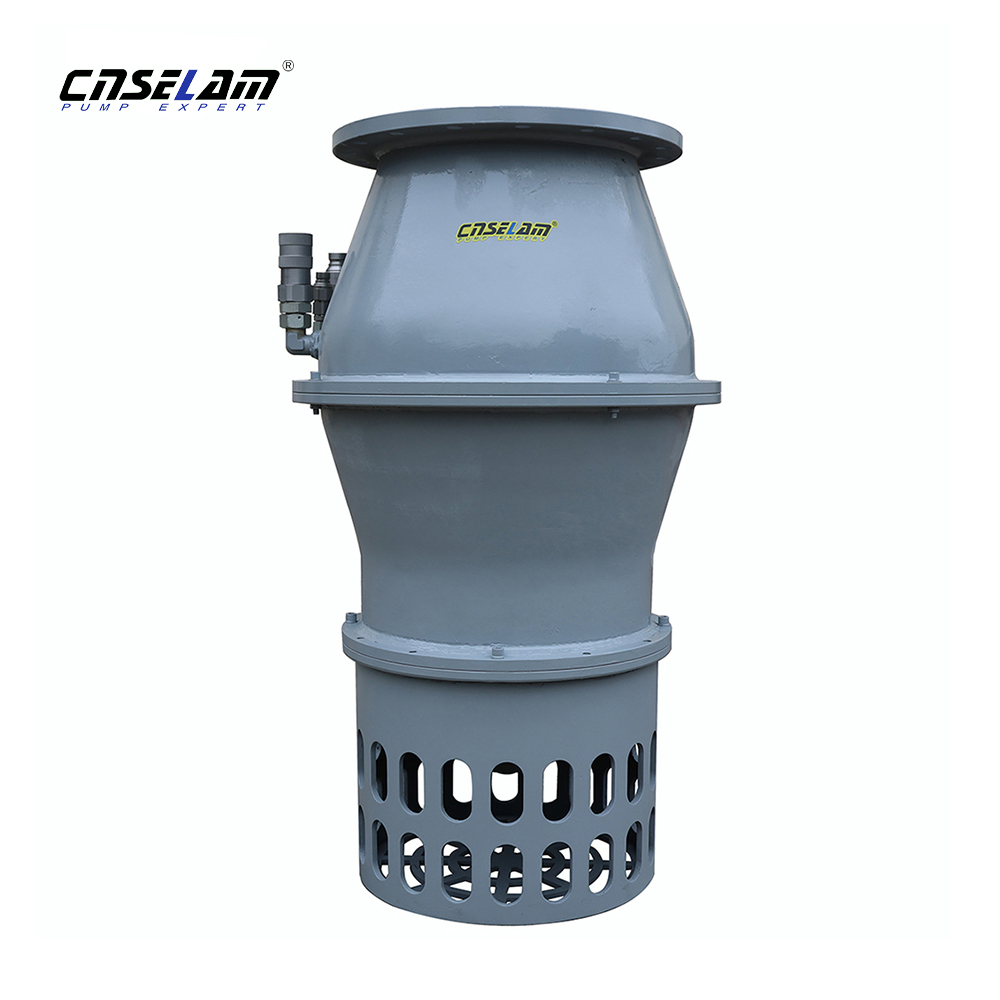
The Advantage: Our HSP series features a vortex impeller design. It creates a centrifugal cone that minimizes contact between the slurry and the impeller, allowing for large solid passage (up to 85mm) without clogging.
Mining and Tailings Management
Mining operations require the transport of abrasive ores and thick tailings.
Durability: Hydraulic slurry pumps are built with wear-resistant materials like 304 stainless steel or high-chrome alloys. Unlike electric motors, the hydraulic drive provides consistent torque, which is essential when starting the pump in thick, settled mud.
Dredging and Harbor Maintenance
Dredging riverbeds or harbors requires a pump that can operate at significant depths.
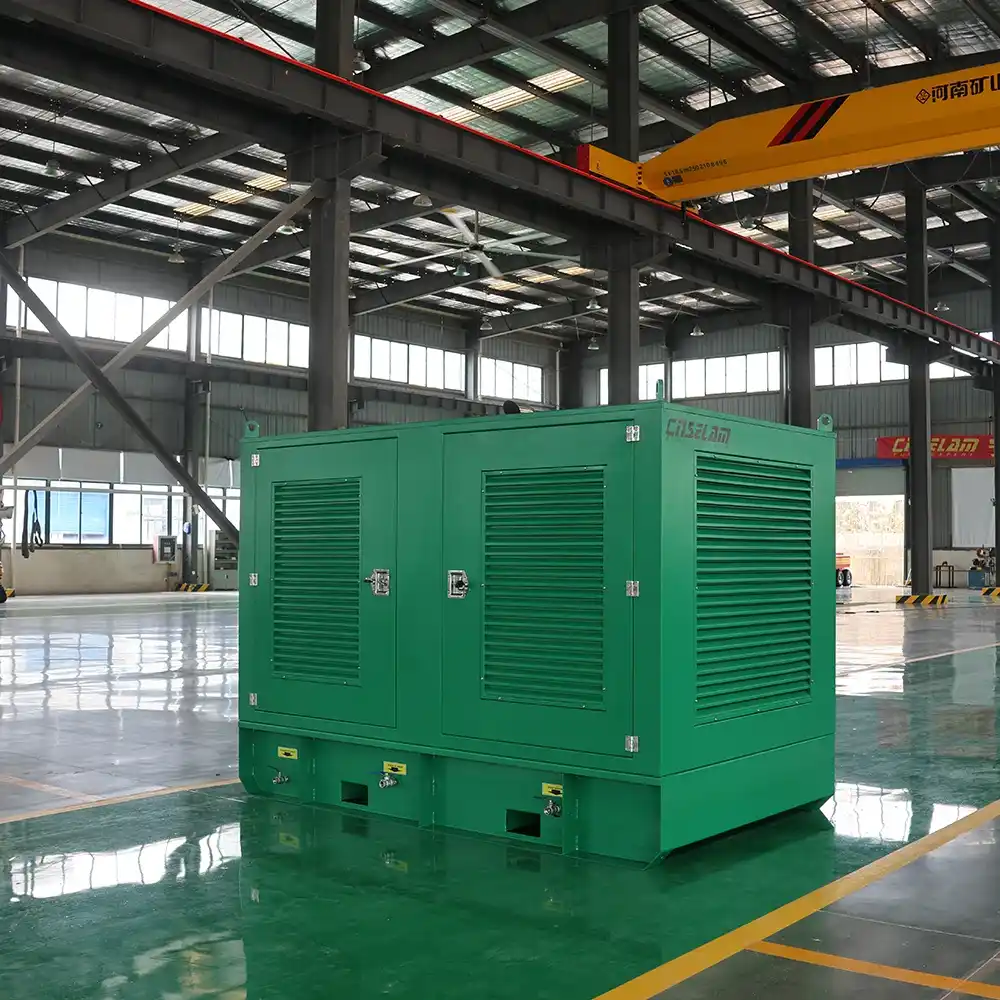
Performance: Since hydraulic pumps are powered by a remote hydraulic power unit (HPU), the pump head itself can be fully submerged without the risk of electrical leakage. This makes it the safest choice for underwater sand and silt removal.
Oil & Gas: Explosion-Proof Environments
In petrochemical or offshore drilling sites, sparks from electric motors can be catastrophic.
Safety First: Hydraulic systems are inherently explosion-proof because they use fluid pressure rather than electricity at the point of operation.
How to Select the Durable Hydraulic Slurry Pump?
Choosing the wrong pump leads to inefficiency and frequent maintenance. Consider these three technical factors:
A. Solid Particle Size
Ensure the pump’s “Max Solid Passage” exceeds the size of the debris in your media. For example, our HSP80 handles up to 58mm, while the CHSP200 can handle up to 85mm.
B. Flow Rate vs. Head (Pressure)
- Flow (m³/h): How much volume do you need to move per hour?
- Head (m): How high or how far do you need to push the liquid?
- Note: Always factor in friction loss if using long discharge hoses.
C. Material Compatibility
For corrosive seawater, 304 or 316 Stainless Steel is mandatory. For abrasive sand, hardened cast iron is more cost-effective.
Conclusion
The hydraulic slurry pump is more than just a tool; it’s a solution for the world’s toughest pumping tasks. By understanding your specific application—whether it’s municipal rescue or deep-sea dredging—you can significantly extend the lifespan of your equipment.
Looking for a customized hydraulic pumping solution? Contact our engineering team today for a free technical consultation and quote.
.png)
.png)
.png)