


Hydraulic vs. Electric Axial Flow Pumps: Which One Is Best for Your Project?
Release time: 2026-01-12
Table of Contents
When planning a large-scale water management project, the heart of the operation is the pumping system. The debate between hydraulic axial flow pumps and electric motor-driven pumps is common among engineers and project managers. While both serve the purpose of high-volume water transfer, their performance varies significantly depending on the environment.
This guide compares these two technologies to help you determine the most efficient drainage solution for your specific needs.
Power Source and Mobility
The most significant difference lies in how these pumps are powered.
Electric Axial Flow Pumps: These rely on a stable power grid or large on-site generators. They are excellent for permanent municipal pump stations where infrastructure is already in place.
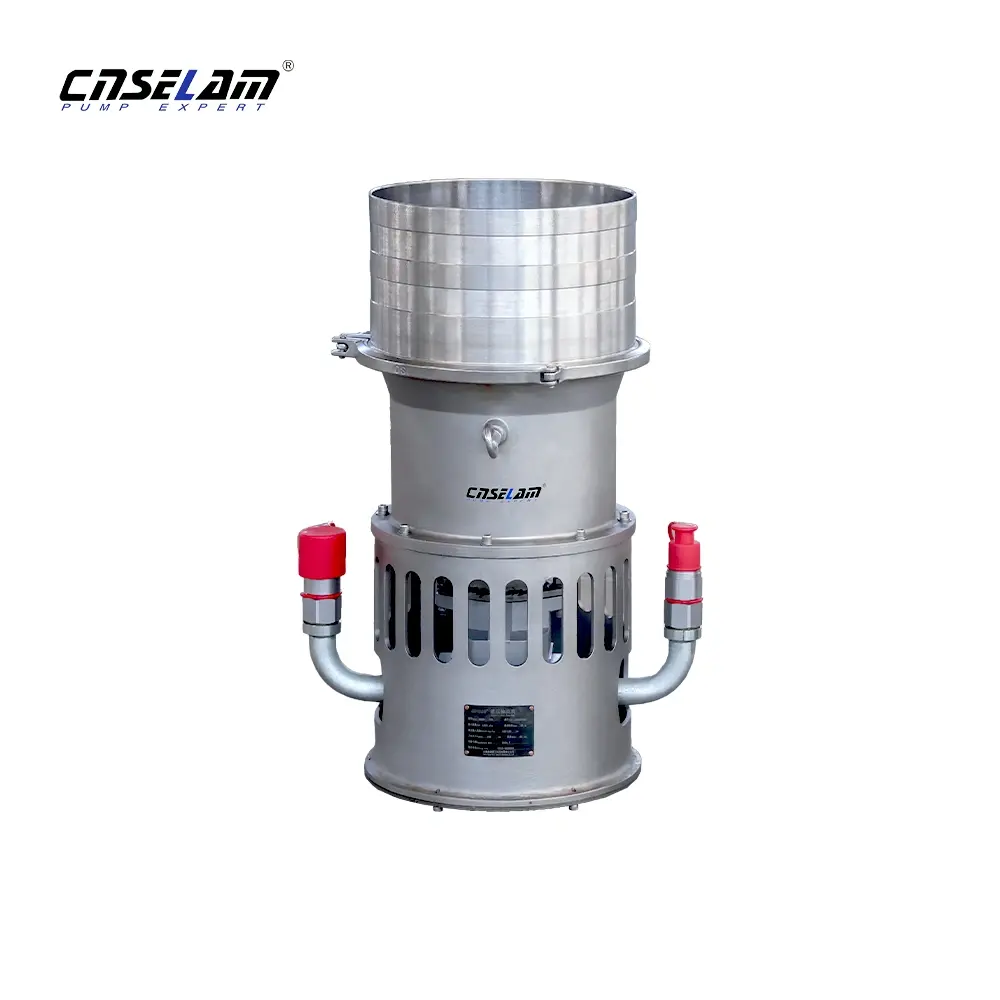
Hydraulic Axial Flow Pumps: These are powered by hydraulic oil pressure from a remote power pack or heavy machinery (like excavators). This makes them the ultimate portable flood pump for emergency response in remote areas where electricity is unavailable or unsafe.
Safety in Submerged Environments
Safety is a paramount concern in submersible pumping operations.
Electric Risks: Submerged electric cables always carry a risk of leakage or short circuits, especially in turbulent floodwaters or during industrial wastewater bypass.
Hydraulic Safety: A submersible hydraulic axial flow pump eliminates the risk of electric shock completely. Since the power is transmitted through hydraulic hoses, these pumps can operate safely in sensitive environments, including oil-rich or hazardous water conditions.
Performance and Variable Speed Control
Constant vs. Variable Flow: Electric pumps often run at a fixed speed unless equipped with expensive Variable Frequency Drives (VFD).
Seamless Adjustment: Hydraulic drive pumps offer inherent variable speed control. By simply adjusting the flow of the hydraulic power unit (HPU), the operator can fine-tune the pump’s RPM to match the required water discharge rate without risking motor burnout.
Durability and Handling Debris
Flood and drainage water are rarely pure. They often contain mud, rocks, and vegetation.
Electric Pumps: High-torque starts in electric motors can sometimes lead to winding damage if the impeller is jammed by debris.
Hydraulic Resilience: A hydraulic driven axial pump is much more forgiving. If the impeller encounters a blockage, the hydraulic system’s relief valve simply opens, preventing the “motor” (the hydraulic motor) from burning out. This makes it a superior heavy-duty drainage pump for harsh construction sites.
Maintenance and Service Life
Electric: Requires specialized electricians for repairs; moisture is the constant enemy of the internal components.
Hydraulic: Known for their robust “wet” design. Because the internal parts are constantly lubricated by hydraulic fluid, they often have a longer service life in corrosive environments. Standard mechanical technicians can usually handle the maintenance of hydraulic pump systems.
Comparison Summary at a Glance
| Feature | Hydraulic Axial Flow Pump | Electric Axial Flow Pump |
| Best For | Emergency, Remote, & Mobile use | Permanent stations & Urban infra |
| Risk of Shock | Zero | Potential risk if cables are damaged |
| Speed Control | Infinitely variable | Requires VFD |
| Power Source | Excavator, HPU, or Tractor | Power grid or Generator |
| Weight | Highly portable/Lightweight | Heavier due to copper windings |

.png)
.png)
.png)